
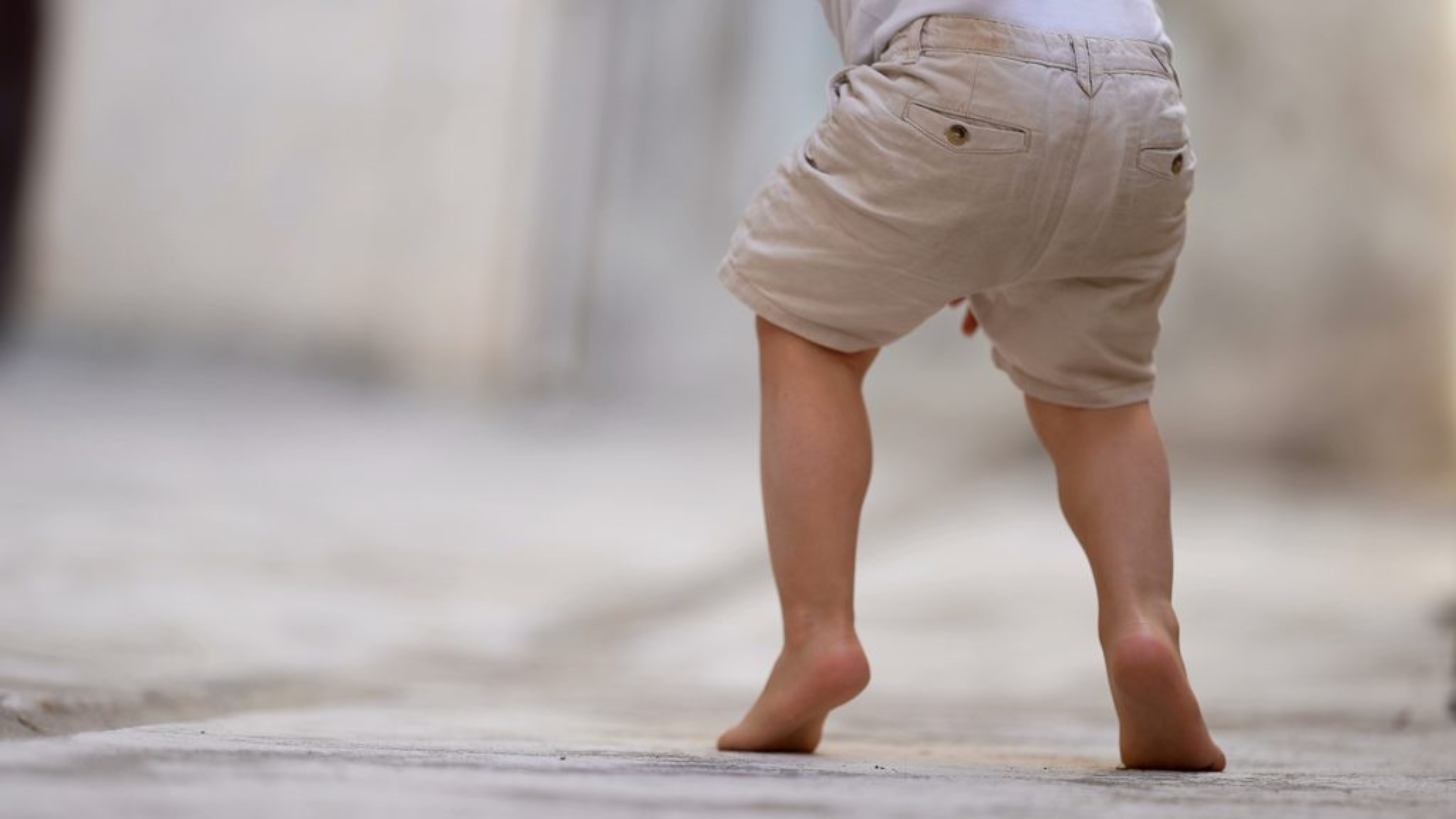
It’s not unusual for parents to notice their child walking on their toes, especially during the toddler years. Many children who are just learning to walk experiment with toe-walking as part of their development. In most cases, it’s harmless and goes away on its own. However, persistent toe-walking beyond a certain age can sometimes indicate an underlying orthopedic or neurological issue that needs medical evaluation.
So, how do you know when toe-walking is just a phase and when it’s a cause for concern?
Why Do Children Toe-Walk?
Toe-walking can occur due to several reasons, including:
- Normal developmental habit – Common in toddlers learning to balance.
- Shortened Achilles tendon – Makes it difficult for the heel to touch the ground.
- Neurological conditions – Such as cerebral palsy, muscular dystrophy, or autism spectrum disorders.
- Orthopedic problems – Tight calf muscles, bone deformities, or growth-related issues.
- Habitual toe-walking – Sometimes, children continue toe-walking without any clear medical cause.
When Is Toe-Walking Considered Normal?
Toe-walking is often normal in children:
- Under the age of 2–3 years.
- When they can also walk flat-footed at times.
- If there are no other developmental delays.
In these cases, children usually outgrow the habit naturally without treatment.
When to Worry About Toe-Walking?
Parents should consult a pediatric orthopedic specialist if:
- The child continues toe-walking beyond age 3.
- The child is unable to walk flat-footed even when asked.
- There are signs of muscle stiffness, weakness, or imbalance.
- Toe-walking is accompanied by developmental delays in speech, motor skills, or coordination.
- The child complains of pain in calves, ankles, or feet.
Diagnosis and Evaluation
A pediatric orthopedic doctor will:
- Conduct a physical examination to check muscle flexibility and walking pattern.
- Assess for neurological or developmental concerns.
- Recommend imaging tests (X-rays, MRI) if structural issues are suspected.
Treatment Options for Toe-Walking
Treatment depends on the cause and severity:
- Observation – If it’s mild and expected to resolve naturally.
- Stretching exercises – To improve calf and Achilles tendon flexibility.
- Physiotherapy – Helps correct walking patterns and strengthen muscles.
- Orthotic devices – Special shoes, braces, or splints may be advised.
- Casting or surgery – In severe cases where conservative methods fail.
Role of Physiotherapy
Physiotherapy plays a crucial role in treating persistent toe-walking. With guided exercises, stretching routines, and gait training, children can gradually shift to a normal heel-to-toe walking pattern, preventing long-term complications.
Conclusion
Toe-walking in young children can be a normal developmental phase, but if it persists beyond age 3 or is associated with pain, stiffness, or developmental concerns, it may indicate an underlying orthopedic problem. Early evaluation and treatment can make a significant difference in preventing long-term walking difficulties.
For expert assessment and physiotherapy support, consult Dr. Nargesh Agrawal at +91 88517 77145 or visit www.childorthocare.online.
Dr. Nargesh Agrawal
Pediatric orthopedic surgeon at Child Ortho Care, Delhi. Treating clubfoot, hip dysplasia, limb deformities, cerebral palsy, and more.